
Gluten, inflammation, and healthy alternatives: gluten-free and low glycemic index cereals
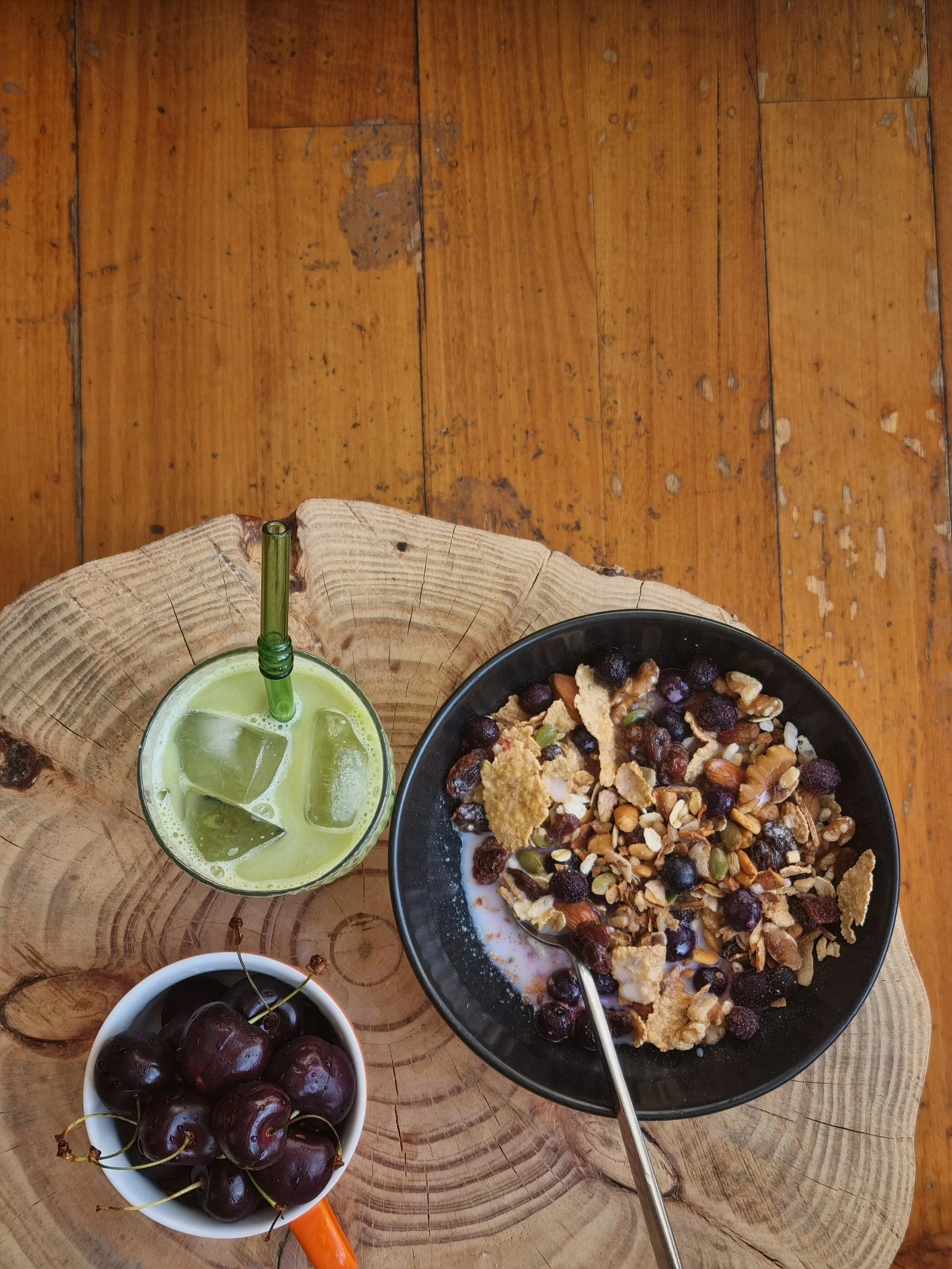
Why can gluten be inflammatory?
Gluten is a protein found in wheat, rye, barley, and their derivatives.
In celiacs, it triggers an autoimmune reaction.
In people with gluten sensitivity, it can cause abdominal distension, fatigue, joint pain, or skin problems.
Even without a diagnosis, gluten can increase intestinal permeability (leaky gut syndrome), allowing poorly digested particles to enter and activating the immune system.
Result: silent inflammation that can aggravate metabolic and autoimmune diseases.
The importance of the glycemic index
The glycemic index (GI) measures how quickly carbohydrates raise blood glucose levels.
Low GI (≤55): releases energy slowly and steadily, preventing spikes in blood sugar and insulin.
Moderate GI (56–69): raises blood sugar more quickly.
High GI (≥70): causes spikes that promote inflammation, insulin resistance, and fat accumulation.
Choosing gluten-free, low-GI cereals is crucial for reducing inflammation, balancing energy, and controlling weight.
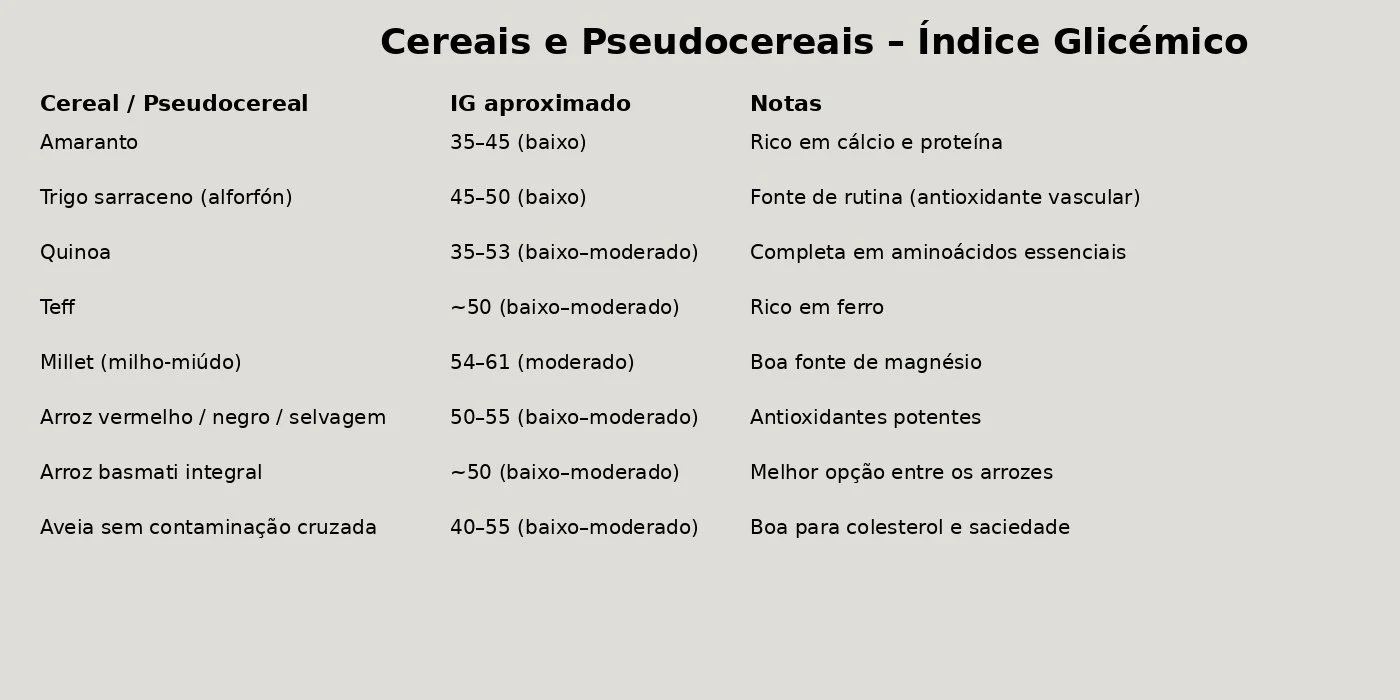
Gluten-free cereals and pseudocereals + approximate GI:
3 gluten-free recipes. Nutritious and filling.
Vegetarian quinoa salad with roasted vegetables
Ingredients (serves 4):
250 g quinoa (soak for 4–6 hours beforehand)
1 medium zucchini
1 red bell pepper
1 large carrot
1 eggplant
200 g cooked chickpeas
4 tablespoons extra virgin olive oil
Juice of 1 lemon
Fresh herbs (coriander, parsley)
Preparation method:
Soak the quinoa in plenty of water for 4–6 hours. Wash thoroughly and cook in twice the amount of water with a pinch of salt and a bay leaf (15 min).
Cut the vegetables into cubes and roast in the oven with 2 tablespoons of olive oil, salt, and herbs (25 min at 180°C).
Mix quinoa, roasted vegetables, and chickpeas.
Drizzle with olive oil and lemon juice before serving.
Buckwheat and almond cake
Ingredients (4–6 servings):
150 g buckwheat flour
150 g almond flour
3 organic eggs
100 ml of unsweetened vegetable drink
100 g raw honey or coconut sugar
1 teaspoon gluten-free baking powder
1 cup of coarsely chopped walnuts or almonds
1 tablespoon ground cinnamon
Preparation method:
Preheat the oven to 180°C.
Mix the eggs, honey (or coconut sugar), and plant-based milk.
Combine the flours and baking powder until you have a smooth dough.
Add the cinnamon and walnuts or almonds and mix well.
Place in a greased baking pan and bake in the oven for about 30–35 min.
Bowl of black rice with wild salmon or natural tuna
Ingredients (serves 4):
250 g black rice (soak for 8 hours beforehand)
2 large wild salmon fillets (400 g) OR 2 jars of tuna in water
1 large avocado
100 g fresh spinach
2 tablespoons tahini
Juice of 1 lemon
Sesame seeds
Preparation method:
Soak the black rice for 8 hours. Cook in 3x water for 35–40 min.
Grill the salmon with a little olive oil OR use ready-made tuna in a jar.
Assemble the bowl: rice base, fresh spinach, avocado slices, fish on top.
Drizzle with tahini and lemon sauce and sprinkle with sesame seeds.
Conclusion
Gluten can be a factor in chronic inflammation in many people. Replacing it with gluten-free, low-glycemic cereals and pseudocereals is an effective way to reduce inflammation, control blood sugar, and increase vitality.
With simple recipes like these, you can enjoy balanced, tasty, and healthy meals.